Specialized solutions built on the same platform

From operating rooms to commercial buildings — TERA 360 adapts to your operational constraints.

Cleanrooms / controlled environments
Cleanroom

Cleanrooms / controlled environments

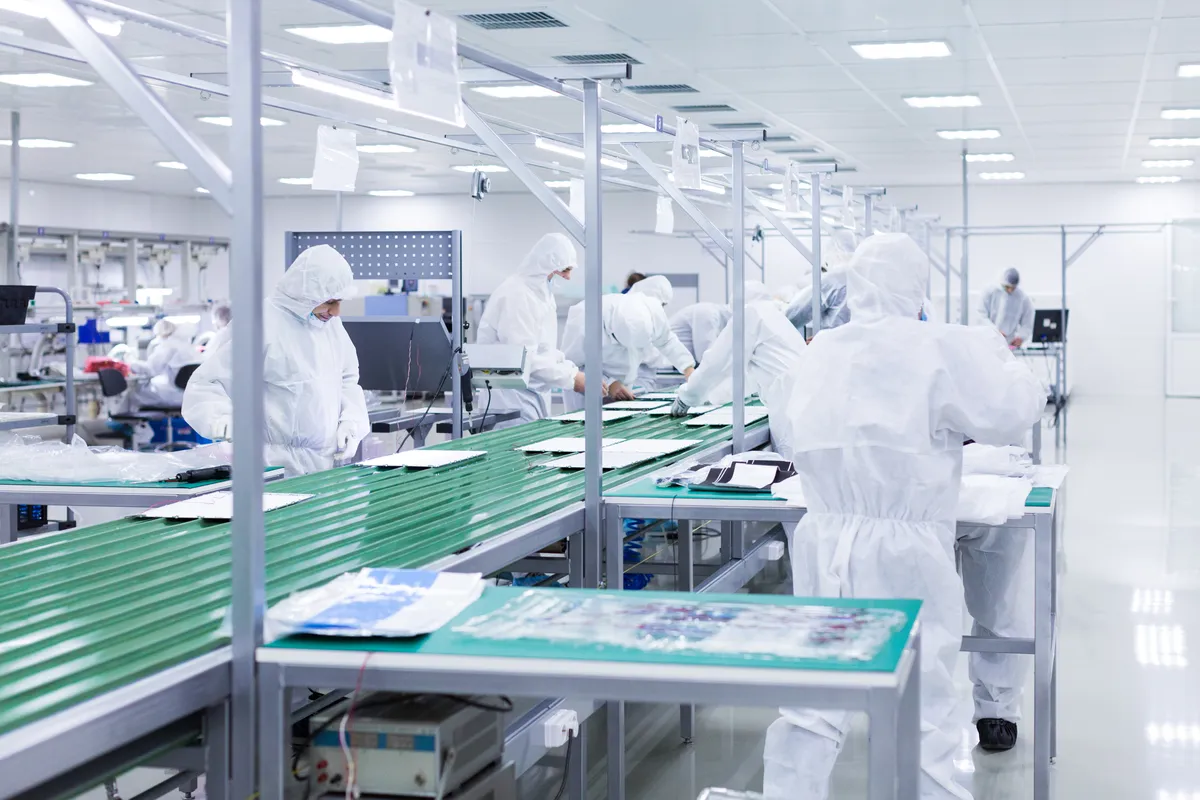
A cleanroom is qualified at a given point in time, but its actual state keeps evolving between two qualification campaigns: staff movement, doors opening, a filter drifting, a change in process load.

Between spot checks, these environmental drifts go unnoticed. The risk only surfaces afterwards, at audit time or worse, at the moment of a product non-conformity.

TERA 360 provides continuous multi-parameter monitoring — particles, differential pressure, temperature, humidity — and centralizes this data into a single view of the room.

Deviations from defined thresholds are visible in real time, not only during a periodic check.

  • Continuous visibility into the environment, not only at check time
  • Faster drift detection, before it becomes a non-conformity
  • Better understanding of the room's actual behavior over time

Particle counting

Continuous cleanliness class tracking.

Delta P

Containment between adjacent zones.

Temperature

Process condition maintenance.

Humidity

Relative humidity tracking.
Operating rooms
Operating room

Operating rooms

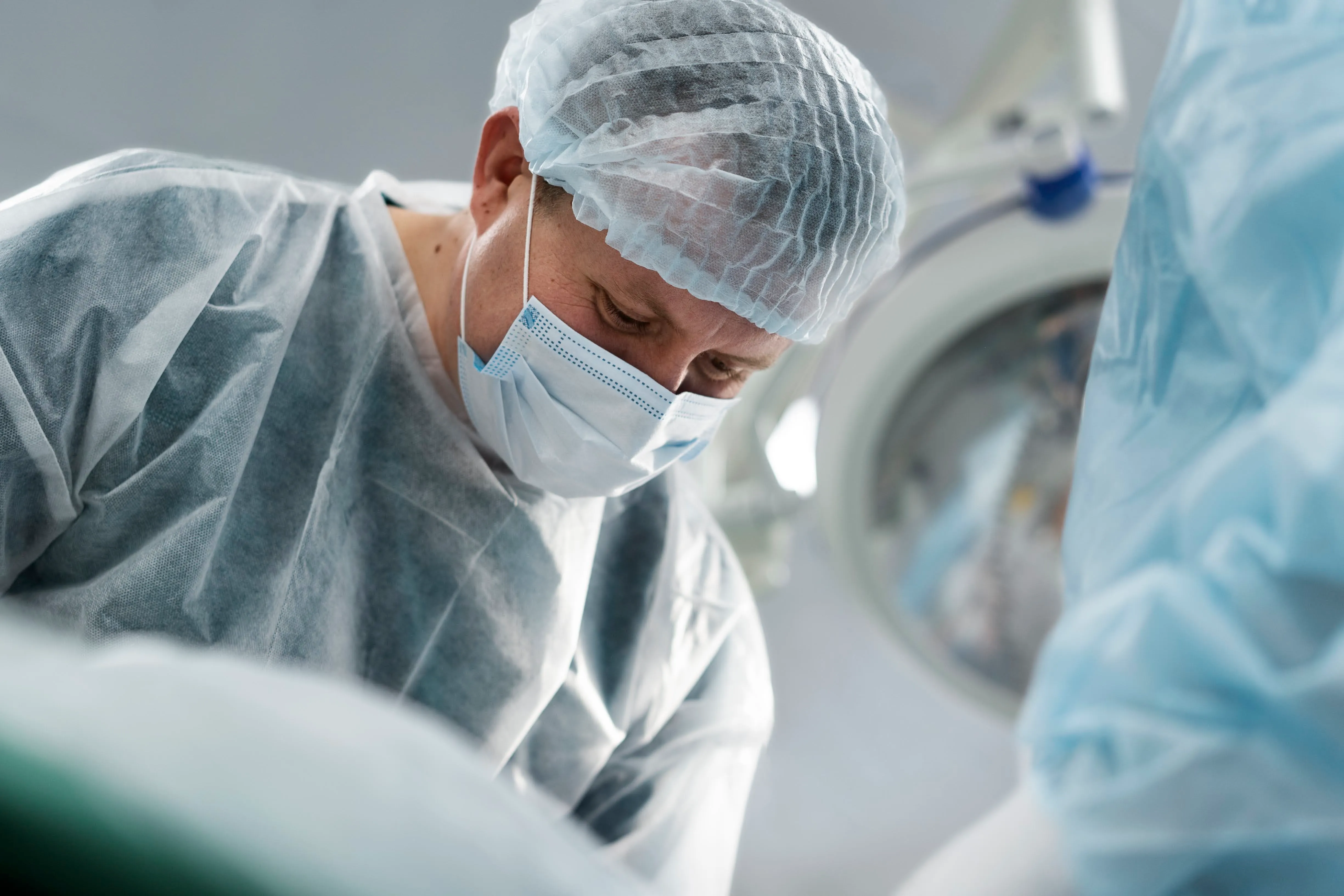
An operating room is a highly controlled environment, whose HVAC operation remains significant even outside surgical activity.

Without objective data on actual occupancy and room conditions throughout the day, it's hard to tell effective activity periods from standby periods — and therefore to adjust anything without a perceived safety risk.

TERA 360 provides continuous environmental monitoring of the room: particles, pressure, temperature, humidity, occupancy and door openings.

This objective data allows precise tracking of actual conditions and occupancy periods, procedure by procedure.

  • Enhanced safety through continuous tracking of room conditions
  • Fine-grained supervision of activity and idle periods
  • Opportunities to optimize HVAC operation with full knowledge

Particle counting

Room cleanliness class.

Delta P

Pressure cascade between zones.

Occupancy

Activity and idle periods.

Door contact

Room openings and closures.

AHU / filtration
AHU & filtration

AHU / filtration

The actual filtration status of an air handling unit is often poorly known between maintenance visits: filter replacement follows a fixed schedule, not their real level of clogging.

The result: filters changed too early, wasting budget, or too late, hurting air quality and the AHU's electrical consumption.

TERA 360 combines particle tracking upstream and downstream of the filter, differential pressure, and AHU parameters — airflow, electrical consumption.

This combined view gives a faithful picture of actual filtration performance, at a point in time and over time.

  • Understanding of actual filtration performance, not just theoretical
  • More relevant maintenance, driven by actual condition rather than a fixed schedule
  • Optimization of electricity consumption tied to ventilation

Upstream/downstream particles

Actual filtration performance.

Filter Delta P

Loading and pressure drop.

Airflow

Supply speed and volume.

Electrical consumption

AHU running cost.

Commercial buildings
Commercial building

Commercial buildings

Indoor air quality and HVAC in commercial buildings are most often run on fixed schedules, regardless of actual zone occupancy.

An empty meeting room keeps being heated or ventilated as if occupied; conversely, a busier-than-expected zone can end up under-ventilated without anyone noticing.

TERA 360 cross-references CO₂, temperature, actual occupancy and energy consumption per zone, to run HVAC based on observed use rather than a theoretical schedule.

EN 16798 compliance tracking relies on this same continuous data.

  • Better comfort, zone by zone, matched to actual occupancy
  • Detailed energy dashboards per zone
  • EN 16798 compliance tracking based on continuous data

CO₂

Air quality per zone.

Temperature

Thermal comfort.

Occupancy

Actual zone attendance.

Consumption

Energy per zone and use.

Swimming pools
Swimming pool

Swimming pools

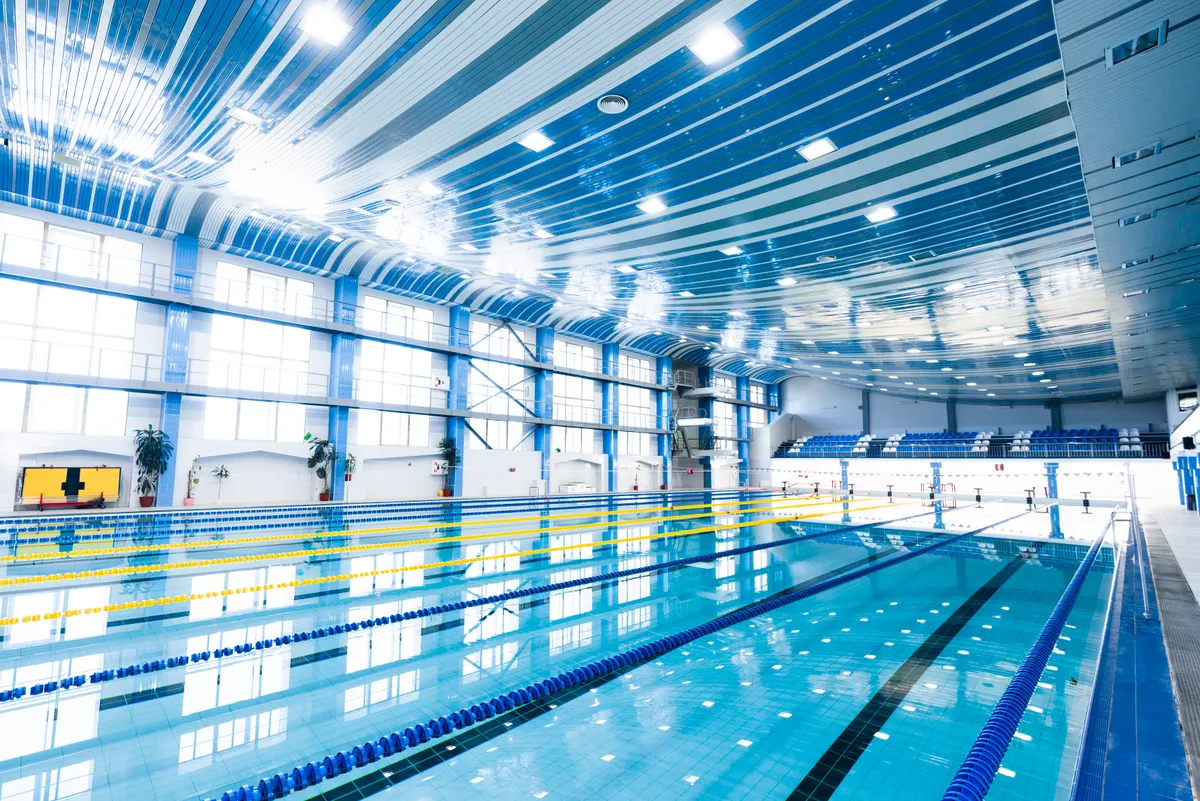
In an aquatic center, trichloramine (NCl₃) is a key indicator of ambient air quality, but it's hard to manually correlate with bather load and the ventilation rates that drive it.

Without that correlation, ventilation is most often set cautiously at a constant, high rate — regardless of the pool's actual attendance.

TERA 360 provides continuous trichloramine monitoring, correlated in real time with pool attendance and ventilation rates.

Hall humidity is tracked in parallel, for a complete view of the facility's conditions.

  • Better tracking of ambient air quality
  • Ventilation adjustable to actual attendance rather than a constant rate
  • Documentation usable for ARS follow-up

Trichloramine (NCl₃)

Ambient air quality.

Humidity

Pool and hall conditions.

Attendance

Number of bathers.

Ventilation

Fresh air flow injected.

Energy optimization
Energy

Energy optimization

A technical building's energy consumption is rarely analyzed by cross-referencing all the factors that actually explain it: occupancy, outdoor conditions, operating schedules.

Without that cross-referenced view, a consumption drift stays invisible until the bill arrives — too late to act, and without knowing exactly where it came from.

TERA 360 correlates energy consumption, circuit by circuit, with occupancy, outdoor conditions and operating schedules, across the entire portfolio of technical buildings.

This correlation highlights the gap between expected and actual consumption.

  • Identification of waste patterns, circuit by circuit
  • Prioritization of actions by savings potential
  • Tracking over time to verify the effect of actions taken

Consumption per circuit

Main panel, sub-boards, AHUs.

Occupancy

Usage / consumption correlation.

Outdoor conditions

Temperature, degree-days.

Current / loads

Electrical signature of equipment.

Predictive maintenance
Maintenance

Predictive maintenance

Drift in a technical asset — motor, fan, chiller — is most often detected too late, once the failure has occurred and the intervention has become urgent.

A purely preventive maintenance plan, on a fixed schedule, doesn't account for the actual wear specific to each piece of equipment.

TERA 360 provides continuous equipment health monitoring — Delta P trend, energy signature, motor current, runtime hours — to spot early warning signs of drift.

Tracked over time, these indicators allow anticipation rather than reaction.

  • Anomaly detection before it becomes a failure
  • Better-targeted maintenance windows, based on actual condition
  • Fewer emergency interventions, better spread over time

Delta P trend

Progressive loading.

Energy signature

Consumption drift.

Motor current

Abnormal equipment strain.

Runtime hours

Wear tied to operating time.

Regulatory compliance
Compliance

Regulatory compliance

Compliance documentation — ISO 14644, EN 16798, ICPE, GMP Annex 1 or ARS depending on the market — is often time-consuming, scattered across multiple tools and compiled manually before each audit.

That manual compilation ties up skilled time on repetitive work, with a risk of error or omission at every iteration.

TERA 360 relies on regulatory templates pre-configured for the relevant standard, and automated monitoring of the associated thresholds.

Particle, pressure, temperature and humidity data is logged continuously and stays available for audit preparation.

  • Documentation ready faster for an audit
  • Less time spent on manual compilation
  • History available at any time, not only at check time

Particle counting

Classification and continuous tracking.

Delta P

Regulatory pressure cascade.

Temperature

Process compliance range.

Humidity

Process compliance range.

Let's discuss your project

We'll design a monitoring architecture tailored to your operational reality.